
When Trauma Runs in Your DNA: Healing Childhood Trauma from the Inside Out
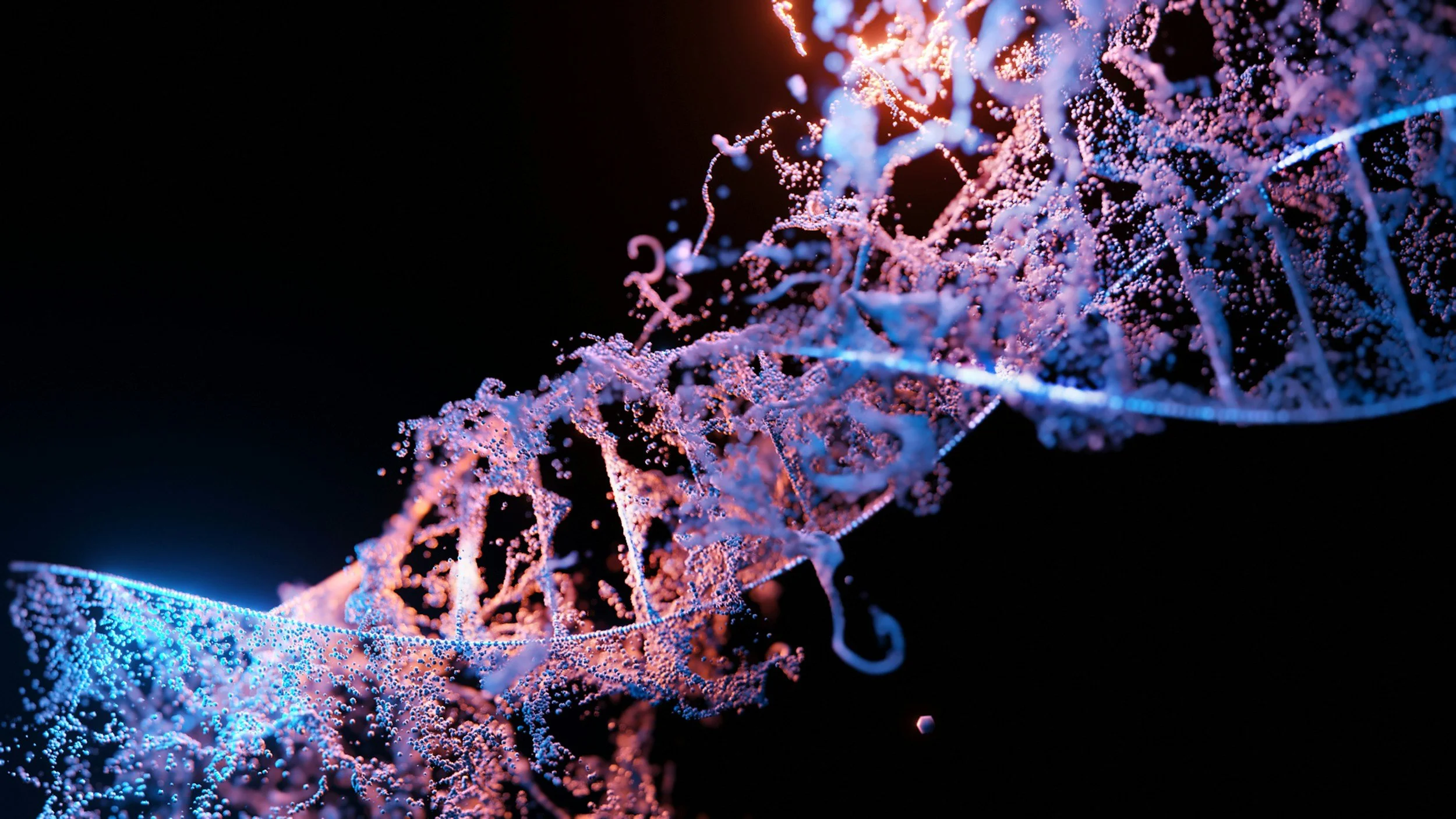
Nearly 70% of US adults have experienced at least one traumatic event, but generational healing involves understanding that trauma doesn't end with the person who experiences it . Recent studies demonstrate that we may actually pass trauma on through our genetics . This surprising connection between our past and present goes deeper than shared behaviors or learned responses.
In fact, unprocessed trauma leaves an epigenetic biomarker that gets inherited by the next generation, impacting their nervous systems and DNA . Research led by Dr. Rachel Yehuda has shown that both trauma survivors and their children exhibit changes in genes linked to the body's stress response—particularly the FKBP5 gene, which regulates cortisol . Even without direct exposure to trauma, the next generation often carries heightened stress sensitivity in their biology . What is generational healing if not the profound work of addressing these inherited patterns?
Throughout this article, we'll explore how trauma travels through your family line, how to recognize these patterns in your own life, and practical steps to begin your generational trauma healing journey. Despite the deep-rooted nature of inherited trauma, understanding its biological basis gives us new pathways toward healing ourselves and future generations.
How trauma is passed through generations
The scientific evidence for trauma transmission across generations has grown substantially since researchers first observed psychological distress among children of Holocaust survivors [1]. Remarkably, trauma doesn't merely influence behavior—it leaves biological markers that can be inherited.
Research shows that trauma alters DNA methylation patterns, particularly in stress-response genes like FKBP5 [2]. These epigenetic changes have been documented in Holocaust survivors and their children [3], Vietnam veterans [3], and mothers exposed to violence during pregnancy [4]. Furthermore, studies reveal lower cortisol levels in children whose mothers survived traumatic events [5].
Beyond biology, trauma travels through family dynamics. Trauma-affected caregivers often show more avoidance, blame, and criticism toward their children [6]. Consequently, children develop altered mental representations of relationships [7]. This psychological inheritance occurs through several mechanisms:
Attachment patterns where parents transmit unresolved trauma through inconsistent caregiving
Communication styles marked by silence about painful experiences
Parenting approaches characterized by overprotection or emotional detachment
Throughout various populations—including Indigenous communities, descendants of enslaved people, and refugee families—this cycle continues [8]. However, understanding these transmission pathways offers hope. By recognizing how trauma travels through generations, we create opportunities for effective generational healing interventions.
How to recognize generational trauma in your life
Recognizing inherited trauma patterns requires observing your emotional landscape and relationship dynamics with fresh eyes. Many individuals struggling with generational trauma experience symptoms without realizing their connection to family history.
Emotional signs often manifest as persistent anxiety, depression, or emotional numbness [9]. You might notice difficulty regulating emotions, marked by mood swings or disproportionate reactions to stress [10]. Physical manifestations can include chronic pain, headaches, or gastrointestinal issues with no clear medical cause [10].
Your relationship patterns may reveal generational trauma through trust issues or difficulty forming secure attachments [9]. Many people unconsciously recreate dysfunctional family dynamics, such as repeating your parents' relationship patterns or financial struggles [9].
Watch for persistent feelings of shame ("I am bad") versus guilt ("I did bad") [11]. These self-related emotions often indicate unresolved family trauma [12]. Additionally, notice if you have an overwhelming sense of responsibility for others' emotions or find yourself constantly seeking approval [13].
Behavioral clues include perfectionism, self-destructive tendencies, or substance use as coping mechanisms [14]. Many experiencing generational trauma report feeling "always on edge" or hypervigilant without obvious cause [15].
The first step toward generational healing begins with awareness. By recognizing these patterns, you create space to understand their origins and begin intentional healing work rather than unconsciously transmitting them forward.
Steps to begin generational trauma healing
Healing generational trauma begins with acknowledging its existence in your life. This first step creates space for transformation yet often requires courage to face painful family histories. When ready to begin this journey, consider these essential approaches:
Seek professional support from therapists trained in trauma-informed care. Therapy provides a safe environment to process emotions and develop healthier coping mechanisms. Approaches like Internal Family Systems can help process traumatic memories stored in your body.
Reconnecting with cultural roots offers profound healing. Many Native Americans find strength through revitalizing cultural traditions and languages [17]. This reconnection helps restore what was disrupted through historical trauma.
Practice self-reparenting by giving yourself the nurturing you may not have received as a child. This involves treating yourself with compassion, setting healthy boundaries, and validating your emotions [18]. Through this process, you become your own nurturing parent [19].
Establish emotionally safe relationships characterized by trust, compassion, and consistency. Safe connections allow you to gradually let down protective walls built from past wounds [20].
Build community healing spaces where shared experiences foster collective strength. Family systems approaches can address dysfunctional dynamics while promoting healthy attachments [10].
Remember that healing isn't linear. Be patient with yourself as you navigate this transformative process—what matters most is taking that first brave step toward breaking cycles of pain.
Conclusion
Generational trauma leaves a profound impact not only on those who experience it firsthand but also on subsequent generations through both biological inheritance and family dynamics. Throughout this exploration, we've discovered how trauma literally changes our DNA, altering stress response genes and creating epigenetic markers that carry forward into future generations. Therefore, what appeared as personal struggles might actually represent echoes from our ancestors' unresolved pain.
Awareness serves as the foundation for all healing work. Once we recognize these inherited patterns in our emotional responses, relationship dynamics, and physical symptoms, we gain the power to address them consciously rather than unconsciously passing them forward. This recognition, albeit difficult, creates the necessary space for transformation.
The journey toward generational healing demands courage yet offers profound rewards. Whether through trauma-informed therapy, cultural reconnection, self-reparenting practices, or building supportive communities, multiple pathways exist for breaking these cycles. After all, each step we take toward healing these deep-rooted patterns benefits not only ourselves but future generations as well.
Remember that healing follows no linear path. Some days will bring insights and release, while others might feel overwhelming. Nevertheless, the work remains worthwhile. Though we cannot change our ancestors' experiences, we can absolutely transform how their trauma lives within us and what we transmit forward. This conscious healing journey perhaps represents one of the most meaningful gifts we can offer both ourselves and those who will follow us.
References
[1] - https://www.apa.org/topics/trauma/trauma-survivors-generations
[2] - https://www.frontiersin.org/journals/psychiatry/articles/10.3389/fpsyt.2022.925273/full
[3] - https://www.nationalgeographic.com/premium/article/trauma-genes-inherit-epigenetics-methylation
[4] - https://pmc.ncbi.nlm.nih.gov/articles/PMC5977074/
[5] - https://pmc.ncbi.nlm.nih.gov/articles/PMC6127768/
[6] - https://pmc.ncbi.nlm.nih.gov/articles/PMC8765780/
[7] - https://pmc.ncbi.nlm.nih.gov/articles/PMC2078523/
[8] - https://www.networkforphl.org/news-insights/healing-across-generations-addressing-the-impact-of-intergenerational-trauma-through-policy-interventions/
[9] - https://www.menshealth.com/health/a43392391/signs-of-generational-trauma-according-to-therapists/
[10] - https://positivepsychology.com/generational-trauma/
[11] - https://pmc.ncbi.nlm.nih.gov/articles/PMC10177695/
[12] - https://genesiscounselingflorida.com/role-of-shame-and-guilt-in-generational-trauma/
[13] - https://truthcenterhh.com/generational-trauma-how-it-impacts-your-intimacy-and-how-therapy-can-restore-connection/
[14] - https://hollyhillhospital.com/blog/understanding-generational-trauma-breaking-the-cycle/
[15] - https://www.loveontheautismspectrum.com/generational-trauma/
[16] - https://www.sandstonecare.com/blog/generational-trauma/
[17] - https://give.uwmedicine.org/stories/healing-generational-trauma-with-culturally-humble-care/
[18] - https://cptsdfoundation.org/2020/07/27/reparenting-to-heal-the-wounded-inner-child/
[19] - https://positivepsychology.com/reparenting/
[20] - https://mindviewpsychology.com.au/healing-trauma-through-safe-relationships/
Take the First Step
You don’t have to navigate this journey of healing generational trauma. You’re invited to book a free 20-minute consultation to explore whether a 55-minute Internal Family Systems (IFS) session with Deep Water Soul Care feels supportive for you.
👉 Schedule your free consultation at DeepwaterSoulCare.org
Start healing, reclaim your self-confidence, and step into freedom, Self-Love, and Self-Compassion—one part, one breath, one session at a time.